Flatbed Securement When the Heat Climbs
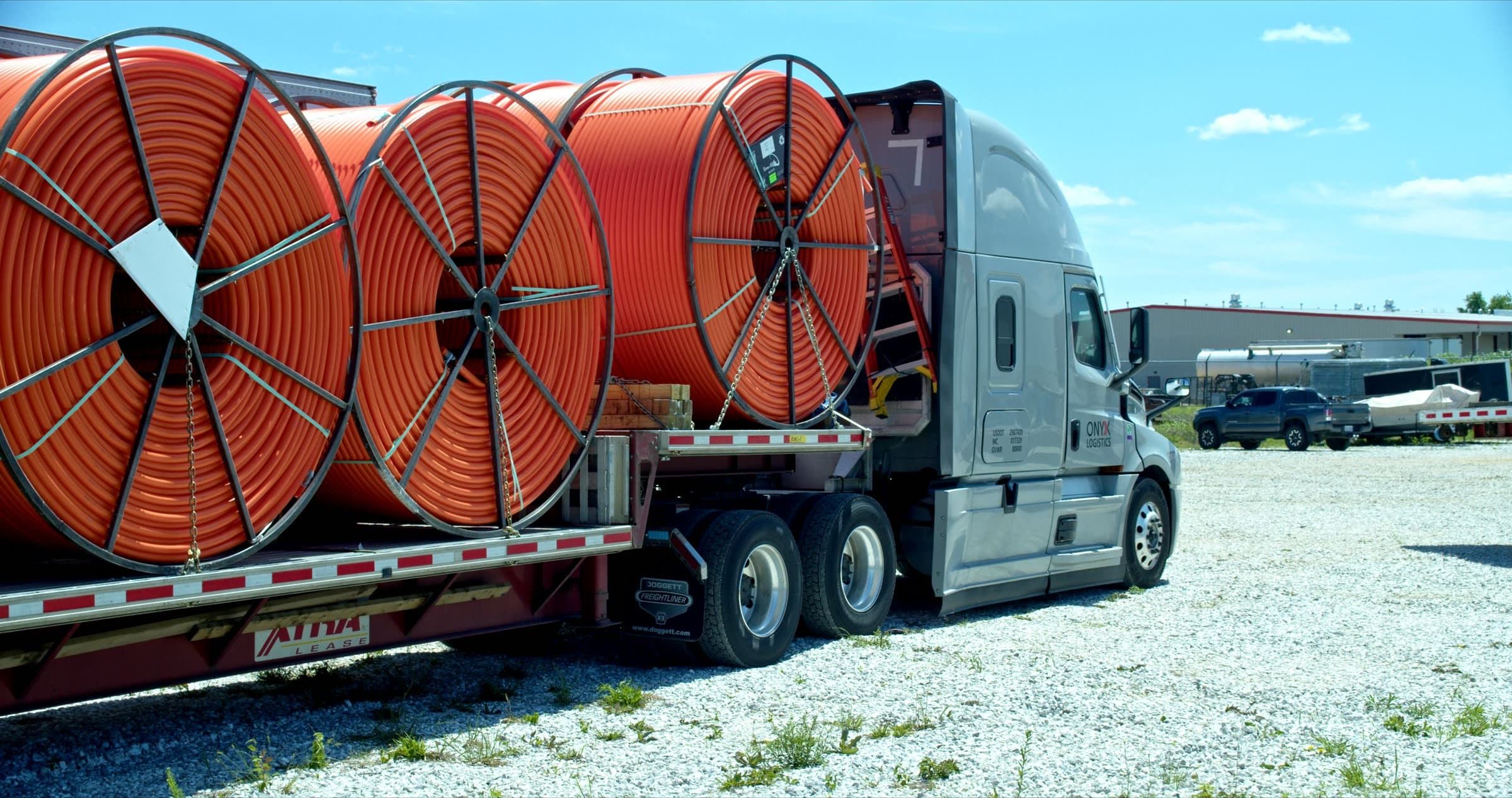
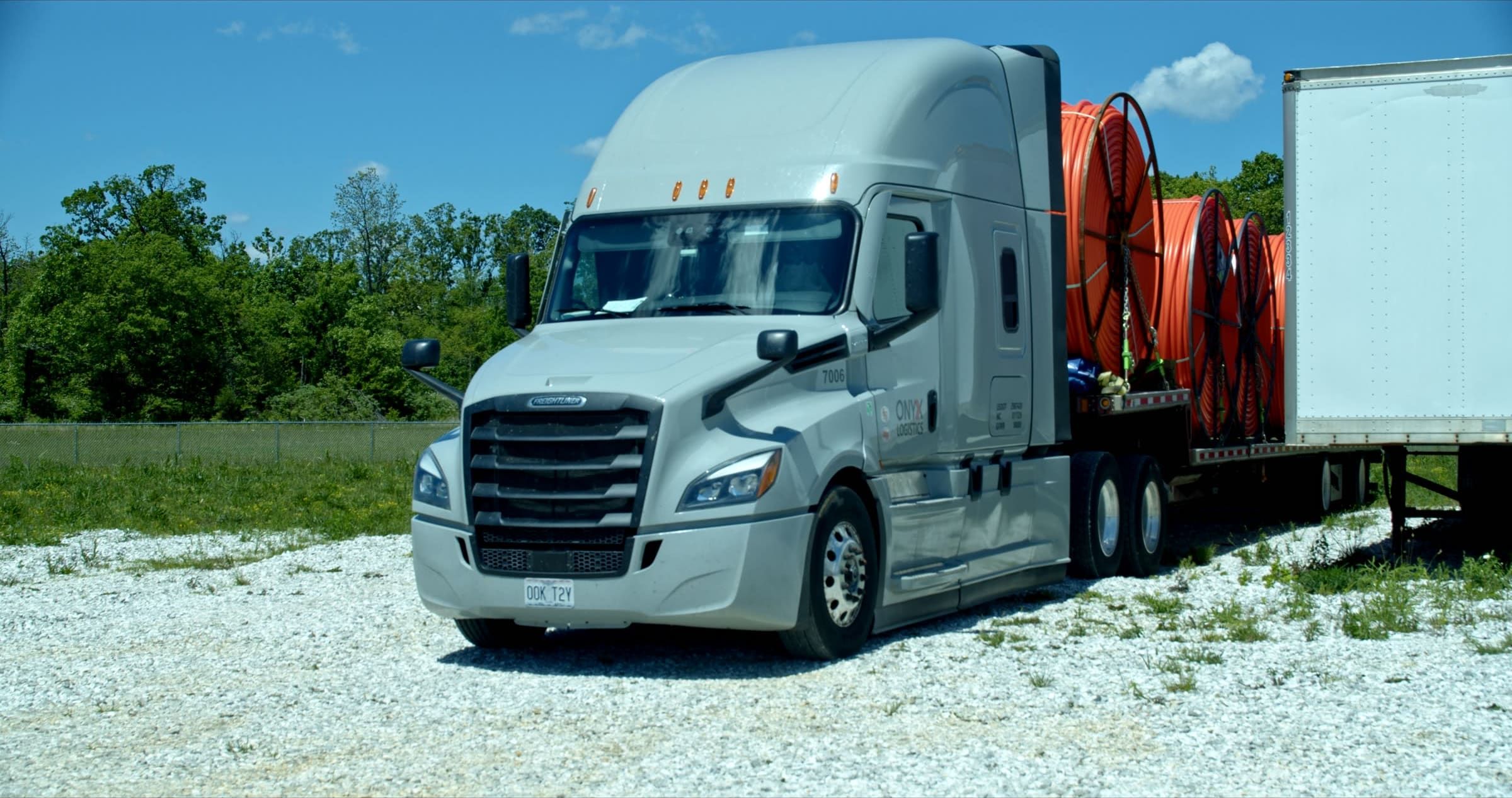
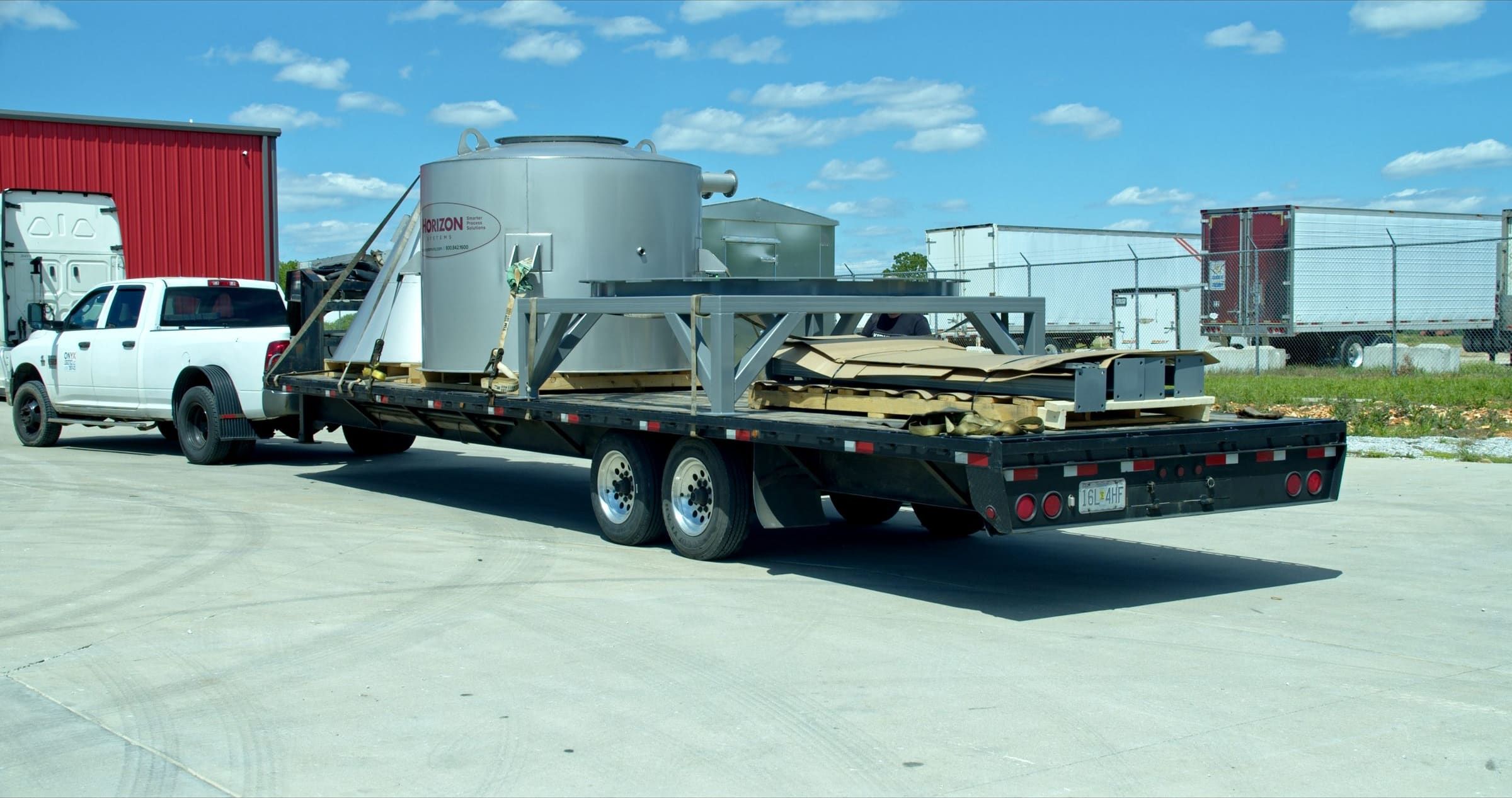
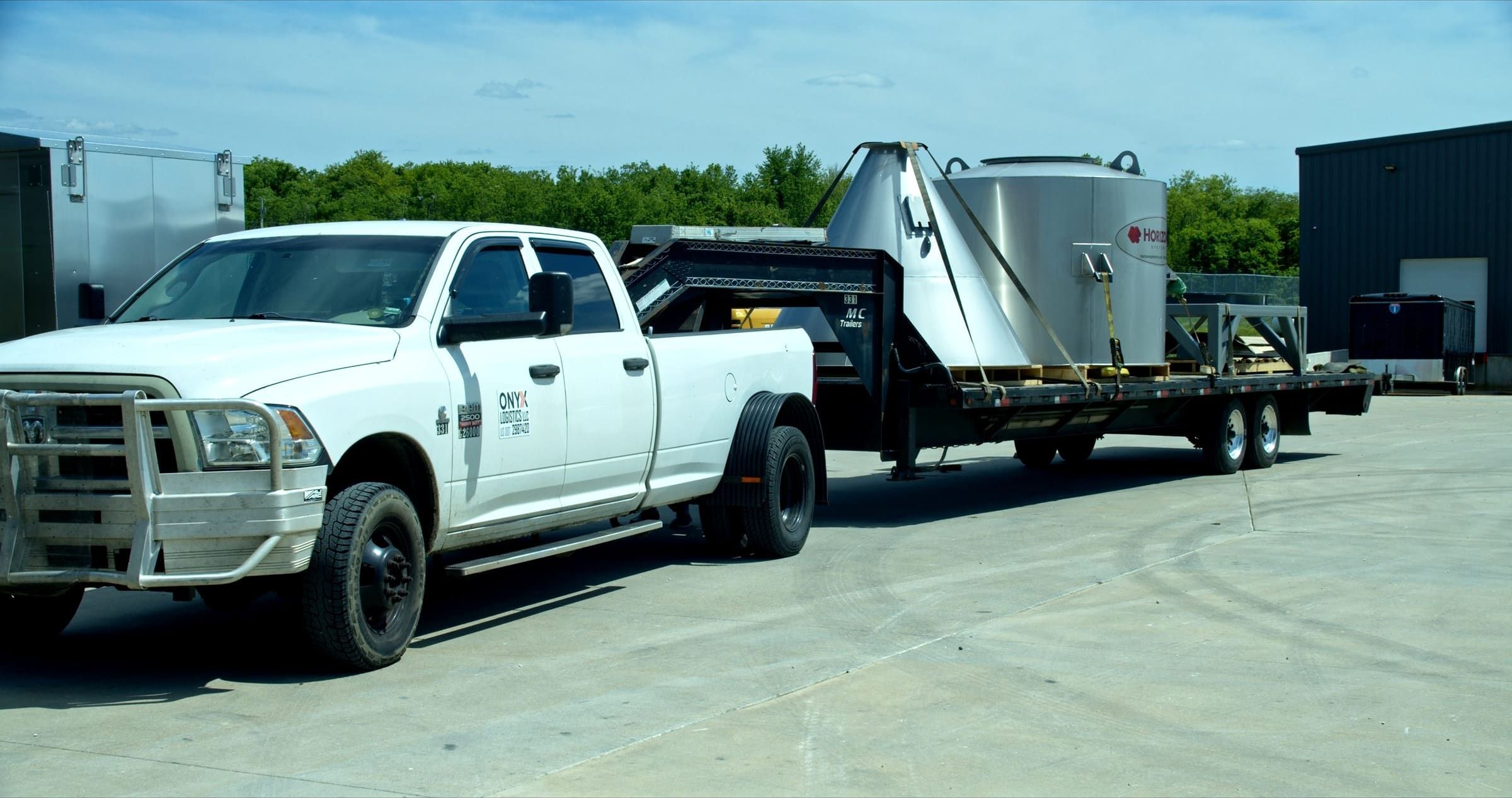
Flatbed work doesn’t get easier in July — it gets hotter, and heat changes how freight behaves. Steel expands, coils sweat, lumber dries and shifts, and the straps holding it all together stretch a little more than they did in March. None of that is a problem if you build a few summer habits into your routine. Here’s how Onyx drivers keep open-deck loads in spec when the sun is doing its worst.
Re-check your securement after the first stretch
A load that was tight at the shipper will not be as tight thirty miles down the road. Vibration settles the freight, and on a hot day webbing relaxes as it warms. Federal rules already require a securement check within the first 50 miles and at every break — treat that as a floor, not a target. The first pull-off is where you catch the strap that’s gone slack before it becomes a problem.
When you walk the load, you’re looking for anything that breaks contact or chews up your gear:
- Straps that have loosened as they warmed — re-tension every one
- Edge protectors still seated where webbing crosses sharp steel or banding
- Chains and binders snug, with no link riding over a corner
- Dunnage and coil racks that haven’t walked out of position
Mind the working load limit, not just the count
Securement math doesn’t care how the day feels. The aggregate working load limit of your tie-downs has to be at least half the weight of the cargo, plus the rules for length and number of straps. Heavy haul and machinery push those numbers fast, so count your devices against the load every time rather than running the same pattern you used yesterday on something lighter. When a load is awkward or you’re not sure, call dispatch before you roll — we’d rather talk it through than guess.
Photograph it, note it, protect yourself
Your best defense against a damage claim is proof the load left right. Before you pull out, document what you built:
- Photograph the load, the strap pattern, and any existing damage to the freight before you tarp
- Note pre-existing dents, rust, or scratches on the bill of lading before you sign
- If something looks unsafe to haul, say so before it’s on your deck — not after
- Keep edge protectors and extra straps where you can reach them without climbing the load in traffic
Don’t forget the driver
Open-deck work is physical, and heat stacks up fast when you’re throwing straps and tarps on hot asphalt. Hydrate before you’re thirsty, keep water in the cab, and pace the climb-and-throw so you’re not gassed halfway through. A tarp wrestled on while you’re overheated is a tarp that tears — and a rushed driver is the most expensive thing on the truck.
None of this is complicated, but in the heat it’s the difference between a clean delivery and a claim. Build the load with intention, re-check it early, keep your proof in your pocket, and summer becomes just another thing you’ve got handled. Questions about a load? That’s what dispatch is for — we answer the phone.